

Unfiltered Truth: Best Water Purifier for Washington DC Tap Water in 2026
Key Takeaways
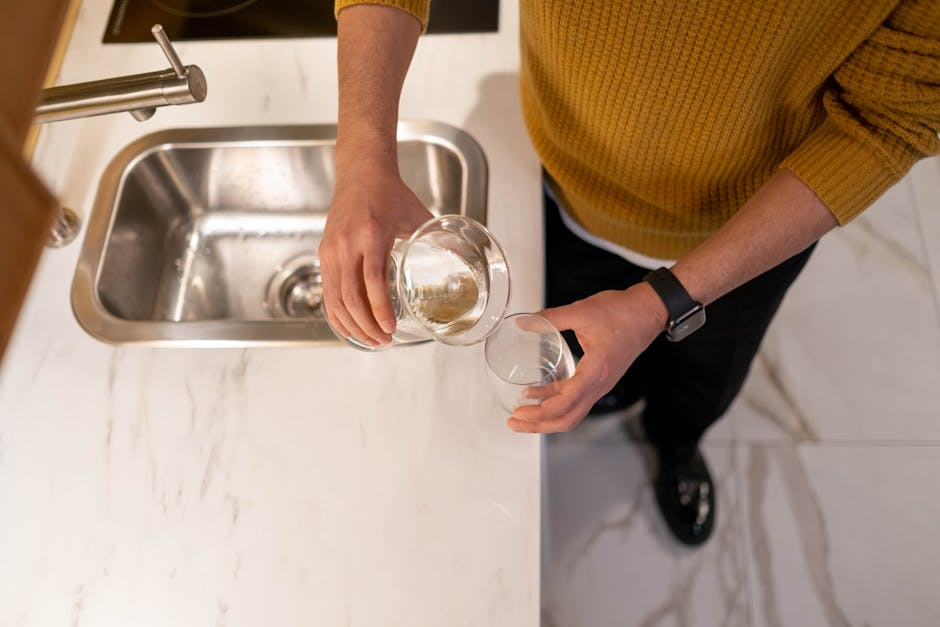
Photo by cottonbro studio on Pexels
- Washington DC tap water contains concerning levels of PFAS, lead, arsenic, and chlorination byproducts.
- At least six contaminants have been reported above EPA Maximum Contaminant Level Goals (MCLGs) in DC Water.
- Reverse Osmosis (RO) is the recommended filtration technology, removing over 90% of PFAS, lead, and arsenic.
- DC's aging infrastructure contributes to water quality issues, including main breaks and potential for boil water advisories.
- Coway offers advanced multi-stage and RO water purifiers specifically designed to address DC's unique water challenges.
What's Actually in Washington DC's Water
Washington DC's tap water, managed by DC Water, undergoes extensive treatment before reaching homes and businesses. However, analysis from various sources, including the EPA's Safe Drinking Water Information System (SDWIS) and the Unregulated Contaminant Monitoring Rule (UCMR-5), reveals that certain contaminants persist. Indeed, the city's water has been reported to contain emerging contaminants like PFAS, along with lead and arsenic, which pose significant health risks. Furthermore, the chlorination process, while vital for disinfection, can create harmful byproducts such as trihalomethanes (THMs) and haloacetic acids (HAAs). According to available data, Washington DC's water has had at least six contaminants reported above EPA Maximum Contaminant Level Goals (MCLGs). These violations highlight the gap between what is legally permissible and what is truly optimal for long-term health. The Environmental Working Group (EWG) also conducted tests in 2007, identifying concerning levels of disinfection byproducts across 18 DC locations. Below is a summary of key contaminants detected in Washington DC's tap water, comparing reported levels to federal standards and health guidelines:| Contaminant | Amount Detected | EPA MCL / Action Level | EWG Health Guideline |
|---|---|---|---|
| PFAS (Total) | Detected | Not yet established | 0.004 ppt |
| Lead | Detected | 15 ppb (Action Level) | 0.2 ppb |
| Arsenic | Levels reported above EPA MCLG | 10 ppb (MCL) | 0.004 ppb |
| Total Trihalomethanes (TTHMs) | Levels reported above EPA MCLG | 80 ppb (MCL) | 0.15 ppb |
| Haloacetic Acids (HAA5) | Levels reported above EPA MCLG | 60 ppb (MCL) | 0.1 ppb |
| Chromium (Hexavalent) | Levels reported above EPA MCLG | Not established (regulated as Total Chromium) | 0.02 ppb |
Per- and Polyfluoroalkyl Substances (PFAS)
Often called "forever chemicals," PFAS are a group of synthetic compounds found in many consumer products and industrial applications. Their presence in Washington DC's tap water is a growing concern due to their persistence in the environment and human body. Research suggests that exposure to PFAS may be associated with various health issues, including developmental delays in children, decreased fertility, increased cancer risk, and immune system effects. The EPA has not yet established an MCL for all PFAS compounds, but health advisories highlight the need for filtration.Lead
Lead enters drinking water primarily through corrosion of old plumbing materials, including lead service lines, lead-containing fixtures, and lead solder. Washington DC's aging infrastructure makes lead contamination a particularly pressing issue, despite ongoing pipe replacement efforts. Even low levels of lead exposure can be detrimental, especially for children and pregnant women. It may affect brain development, cause behavioral problems, and contribute to kidney damage. DC Water issues boil water advisories when necessary to protect public health, but these do not remove lead.Arsenic
Arsenic is a naturally occurring element that can leach into groundwater, but it can also be a byproduct of industrial processes. Chronic exposure to arsenic in drinking water, even at low levels, has been linked to an increased risk of various cancers, skin lesions, and cardiovascular disease. While the EPA's MCL for arsenic is 10 ppb, the EWG guideline is significantly lower, reflecting the health risks associated with long-term exposure. The presence of arsenic detected above EPA MCLGs in DC water is a serious concern.Chlorination Byproducts (THMs & HAAs)
Disinfection with chlorine is crucial for killing harmful bacteria and viruses in public water supplies. However, chlorine reacts with organic matter in the water to form disinfection byproducts (DBPs) like Total Trihalomethanes (TTHMs) and Haloacetic Acids (HAAs). Both TTHMs and HAAs are regulated by the EPA due to their potential health effects. Long-term exposure to these byproducts has been associated with increased risks of bladder cancer, liver damage, and reproductive problems. The EWG's 2007 testing in DC specifically highlighted these contaminants.Health Implications of DC Water Contaminants
Understanding the contaminants in Washington DC's tap water is the first step; recognizing their potential health impact is the next. The presence of multiple regulated and unregulated contaminants underscores the importance of proactive water purification for many residents. For families with young children, exposure to lead can be particularly damaging to developing brains and nervous systems, leading to learning disabilities and behavioral issues. Pregnant women also face heightened risks, as contaminants like lead and PFAS may affect fetal development. Even for healthy adults, long-term exposure to certain contaminants, such as arsenic and chlorination byproducts, may increase the risk of various cancers and other chronic diseases. These risks accumulate over years of consumption, making consistent access to purified water essential. Furthermore, individuals with compromised immune systems or pre-existing health conditions may be more vulnerable to the effects of water contaminants. Providing them with water that has been filtered beyond municipal standards can significantly reduce their overall exposure burden and support better health outcomes.Choosing the Right Water Purification for Your DC Home
Given the specific challenges of Washington DC's tap water, selecting an effective water purification system is critical. The research strongly recommends reverse osmosis (RO) technology for its comprehensive contaminant removal capabilities, particularly for PFAS, lead, and arsenic. Reverse osmosis systems work by forcing water through a semi-permeable membrane that traps contaminants while allowing clean water molecules to pass through. This process can remove incredibly small particles, dissolved solids, heavy metals, and chemical compounds that other filters might miss. While activated carbon filters are excellent for reducing chlorine, taste, and odor, they are not as effective against dissolved minerals, heavy metals like lead and arsenic, or complex chemical structures like PFAS. Therefore, a multi-stage system that includes RO, often combined with activated carbon, provides the most robust protection. Coway offers a range of advanced water purifiers designed to tackle contaminants found in DC tap water, utilizing state-of-the-art filtration. For instance, the Coway P-160AL All-In-One Under-Sink Water Purifier delivers powerful multi-stage filtration, ideal for those seeking comprehensive purification without countertop clutter. For countertop convenience with hot and cold options, the Coway CHP-6330L Countertop Water Purifier is an excellent choice. Here's a comparison of popular Coway water purifiers suitable for Washington DC homes:| Model | Filtration Type | Best For | Key Features |
|---|---|---|---|
| Coway CHP-6330L Countertop Purifier | Multi-stage filtration (includes RO) | Families needing hot, cold, and ambient water; effective lead, PFAS, DBP reduction. | Compact design, continuous dispense, touch panel controls. |
| Coway CHP-5710L Slim Purifier | Multi-stage filtration (includes RO) | Small kitchens, individuals or couples; efficient contaminant removal. | Sleek, space-saving design, hot and cold water, easy filter replacement. |
| Coway P-160AL Under-Sink Purifier | Multi-stage filtration (including RO membrane) | Those preferring concealed systems; high-volume filtered water on demand. | Hidden installation, premium filtration, dedicated filtered water faucet. |
Washington DC's Water Infrastructure and Your Home
The unique challenges of Washington DC's water quality are deeply intertwined with its infrastructure. The city's extensive network of water mains, some dating back over a century, is aging. This contributes to frequent water main breaks—a common issue across the U.S. and Canada, with over 260,000 breaks annually. Corrosion in old pipe materials is a leading cause of these failures, costing billions in repairs and risking public health. While DC Water has a pipe replacement program, which started in 2012 and has reduced main breaks significantly (from 316 in August 2012 to 80 in August of a recent year), the process is long-term and strategic, focusing block by block rather than entire neighborhoods at once. These main breaks and pressure losses can compromise water quality, necessitating boil water advisories from DC Water to protect public health. Such events underscore the need for point-of-use filtration, as recommended by DC Water itself, to provide an additional layer of protection directly at the tap. Moreover, the effectiveness of filtration systems is crucial in regions like DC. As we discussed in our Washington DC Tap Water Quality 2026 report, local conditions impact water safety. Similarly, neighboring states face their own hard water challenges, as explored in How Hard Water in Virginia Affects Your Health, which can also influence pipe corrosion and appliance longevity. Coway is proud to offer its premium water purification solutions to Washington DC residents and surrounding areas. Our dedicated team provides professional installation and ongoing support, ensuring your Coway system operates optimally. To learn more about local service and installation, please visit our service locations page.Frequently Asked Questions About Washington DC Tap Water
Is Washington DC tap water safe to drink?
While DC Water meets many federal standards, independent analyses indicate the presence of contaminants like PFAS, lead, and arsenic, alongside chlorination byproducts. Several contaminants have also been reported above EPA MCLGs, suggesting that while generally safe, additional filtration may be beneficial for optimal health.What specific contaminants are a concern in DC Water, including PFAS?
Washington DC's tap water has been found to contain PFAS (Per- and Polyfluoroalkyl Substances), lead, and arsenic. Furthermore, various chlorination byproducts like Total Trihalomethanes (TTHMs) and Haloacetic Acids (HAAs) are also present, with levels of these and other contaminants like chromium (hexavalent) occasionally reported above EPA Maximum Contaminant Level Goals (MCLGs).How does reverse osmosis compare to other filters for DC tap water?
Reverse osmosis (RO) filtration is highly recommended for Washington DC tap water, as it effectively removes over 90% of PFAS, lead, and arsenic. While activated carbon filters can reduce chlorine and some organic compounds, RO systems offer a broader spectrum of contaminant removal, including many dissolved solids that other filters may miss, providing a more comprehensive purification solution.Can I rent a water purifier in Washington DC?
Yes, Coway offers flexible rental options for advanced water purifiers in Washington DC, making clean water accessible without a large upfront investment. Rentals start from competitive monthly rates, often including free installation and maintenance. For specific pricing and available promotions, contacting a local Coway representative is recommended.How can I test my home's water quality in Washington DC?
To determine specific contaminants in your home's water, you can purchase a DIY home water testing kit or send a sample to an accredited laboratory. While DC Water provides an annual Consumer Confidence Report, personalized testing offers a precise snapshot of your unique tap water profile, which can vary based on plumbing and localized issues.Related Reading
- Washington DC Tap Water Quality 2026: What's In Your Glass? — A deeper dive into the specific contaminants affecting DC's water supply this year.
- How Hard Water in Virginia Affects Your Health and Appliances in 2026 — Explores water quality issues in a neighboring state, relevant to regional water concerns.
- New Jersey Tap Water Quality in 2026: What Residents Need to Know — Provides insights into water quality challenges and solutions in another East Coast metropolitan area.
Sources
- Environmental Working Group (EWG): www.ewg.org/tapwater/
- U.S. Environmental Protection Agency (EPA): www.epa.gov/ground-water-and-drinking-water
- Washington DC Water Authority, Most Recent Consumer Confidence Report (CCR), 2025/2026.
- TapWaterData, 2026 Water Quality Report for Washington DC.
- WSSC Water, Engineering Program Data, 2026.